Boat Rental Monaco: The Ultimate 2026 Guide to Exploring the French Riviera by Sea
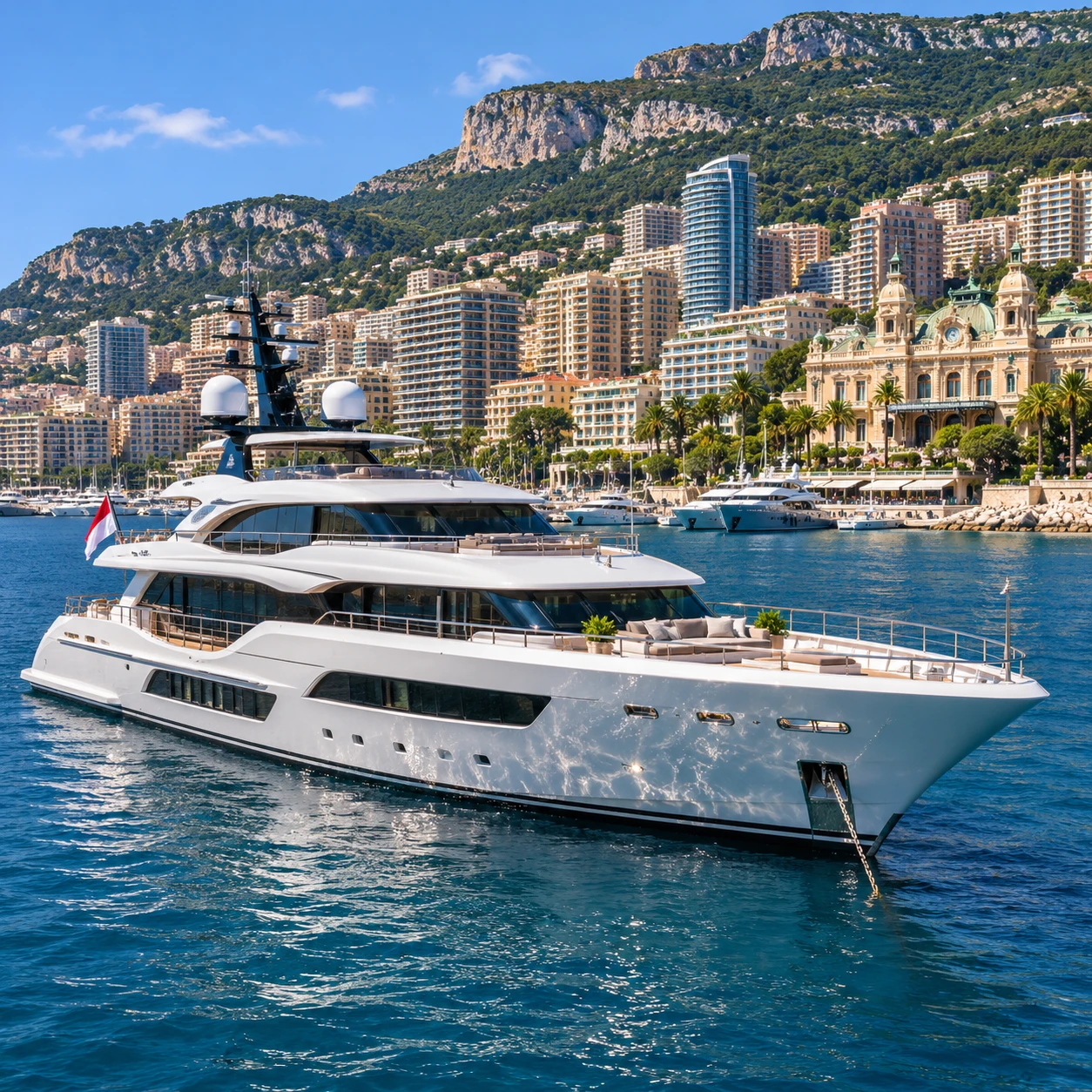
There's a moment that gets almost everyone on their first visit to Monaco. You're up on the Rock, or maybe nursing a coffee on some Monte Carlo terrace, and you catch sight of the harbor below — and something in your brain just quietly insists: I need to be out there. I know that feeling well. It hit me on my first trip, and it completely changed how I travel this stretch of coast. Renting a boat here isn't some premium add-on you reward yourself with after the main event. It is the main event — genuinely the sharpest way to read this coastline. Everything I've picked up about doing it well in 2026 is in this guide, from figuring out the right vessel to finding the coves that never make any tourist map.
Why Monaco Is the Ultimate Starting Point for a French Riviera Sea Adventure
Monaco sits at a geographical sweet spot that most visitors don't appreciate until they actually spread out a nautical chart. It lands almost dead-center on the coastal run from the Italian border to Cannes, which means a single day on the water can cover a remarkable range without doubling back. The Italian Riviera is barely 20 minutes east by motorboat. Head west and you've got Villefranche-sur-Mer, Nice, Antibes, eventually Cannes — all viable as day trips when conditions cooperate.
Port Hercule, Monaco's main harbor, adds something the other Riviera departure points can't replicate: atmosphere. Pulling out past the breakwater with the palace on your left and the casino district stacking up on your right sets a tone for the whole day that you don't forget. The port runs efficiently too — well-organized rental operations, solid weather monitoring, marina staff who've clearly done this through a few hundred summer rushes.
What actually separates Monaco from Nice or Cannes as a base is the density of worthwhile destinations packed into a short radius. Within 30 kilometers you have dramatic headlands, hidden bays, ancient hilltop villages, two countries, and some of the clearest water anywhere in the Mediterranean. You don't need a week. A well-planned day gets you a lot.
What to Expect from Boat Rental in Monaco in 2026
The market here has matured into something genuinely well-organized. In 2026 you'll find a full spectrum of vessels: small self-drive day boats for a couple who want to drift along the coast, all the way up to crewed mega-yacht charters with a captain, chef, and full crew. Most visitors land somewhere in the middle — RIBs (rigid inflatable boats) with outboard motors, sailing yachts in the 35–50 foot range, luxury catamarans. That's also where the value-to-experience ratio is strongest.
Pricing reflects the postcode. A basic self-drive day boat runs roughly €300–600 for a full day depending on engine size and season. A crewed RIB for six to eight people starts around €800–1,200 per day with a skipper included. Sailing yachts and catamarans range from €1,500 to €5,000+ depending on size and whether crew is part of the deal. For anyone comparing current availability and actual 2026 pricing across operators, Boat Rental Monaco is a solid resource — it aggregates listings and lets you check what's genuinely free for your dates before you commit to anything.
One question I get asked constantly: do you need a boating license? For most motorized vessels above a certain power threshold — generally 6kW or higher in French waters — yes, you need a valid ICC (International Certificate of Competence) or an equivalent national license recognized under French maritime law. For smaller electric day boats, requirements are more relaxed. The operators will tell you exactly what applies to whatever vessel you're renting.
Crewed vs. Bareboat — Which Option Fits Your Trip?
This is the first real decision point, and it matters more than most people realize when they're planning from home. Bareboat means you take the vessel without a captain and handle everything — navigation, anchoring, docking, weather calls. Genuinely rewarding if you have the experience, and it gives you total flexibility over your itinerary. Under French maritime law, bareboat rental above certain vessel sizes requires a recognized sailing or powerboat license; the operator will specify exactly what they need for the vessel you're hiring.
Crewed hire — going out with a skipper, plus optionally a full crew on larger boats — strips away all of that responsibility. The skipper knows the local anchorages, the thermal patterns that build on summer afternoons, the small navigational hazards that don't jump out from a chart. For first-time visitors to this stretch of coast, or anyone who'd rather relax than work, a skipper is worth every euro. Insurance considerations shift too: on a bareboat you're typically carrying a damage deposit that can run several thousand euros, while crewed charters often bundle comprehensive coverage into the arrangement.
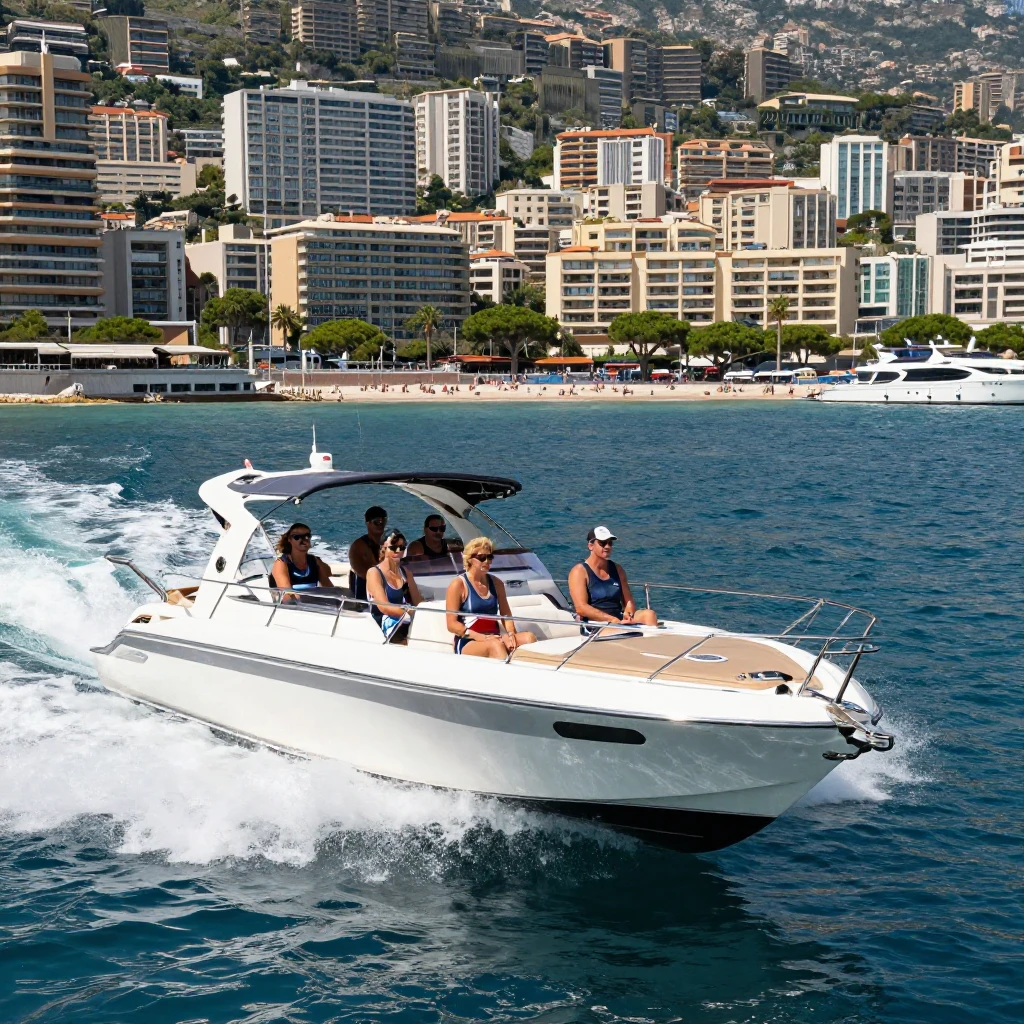
The Best Destinations to Reach by Sea from Monaco
Honestly, almost anywhere along this coast rewards the approach from the water. But some spots earn it more than others. Here's where I'd point a first-timer:
- Èze-sur-Mer: About 15 minutes west of Monaco. The village sits high above, but the bay below has clean water and good anchoring. Come early — it fills up fast in July and August.
- Villefranche-sur-Mer: A deep natural harbor with extraordinary water clarity. The old citadel seen from the water is genuinely impressive. 20 minutes from Monaco.
- Antibes and the Îles de Lérins: A longer run at roughly 90 minutes, but Île Sainte-Marguerite alone justifies it. The water around the island is some of the best snorkeling on the French Riviera — calm, clear, and far less crowded than the beaches near Cannes.
- Saint-Tropez: About 3–3.5 hours depending on conditions. Best as an overnight or a very early start. The bay approach is spectacular, and anchoring off Pampelonne is an experience in itself.
- Ventimiglia (Italy): 20 minutes east. Cross the border by sea, tie up in the Italian marina, have lunch. It's a low-key but genuinely fun day that most visitors on land never think to do.
Hidden Coves and Anchorages Most Tourists Miss
The 30-kilometer stretch between Monaco and Cannes hides a handful of bays that never surface in travel guides but are known to every local skipper. Between Cap d'Ail and Beaulieu-sur-Mer there are two small rocky inlets — reachable only by water — where underwater visibility regularly hits 15–20 meters on calm days. No beach bars, no jet skis. Just limestone walls dropping into clear water. I won't name them precisely because that defeats the whole point, but any experienced local skipper will know exactly what you mean if you ask for the quiet spots between those two capes.
The key to dodging the summer anchoring crush is timing. Leave Monaco by 8am and you'll have your pick of spots that by 11am are ringed with boats. Weekday mornings in July and August are surprisingly manageable if you're out early. Weekends are brutal regardless — plan for company, or save those days for the more remote runs toward Saint-Tropez.
How to Plan Your Rental — Booking, Timing, and Logistics
May, June, and September are the months I'd push anyone toward if they have flexibility. The sea is calm, the light is extraordinary, the water's warm enough to swim, and you're not fighting the peak-season crowd for anchorages or marina space. July and August bring the best weather but also the highest prices and the fullest bays. If you're going in peak season, book your vessel at least 6–8 weeks ahead for a decent RIB or sailing yacht — the well-maintained boats from reputable operators go early.
Documentation to bring: your boating license if you're going bareboat, passport or national ID, a credit card for the damage deposit, and any charter confirmation paperwork the operator sent over. Most operators run a thorough pre-departure briefing covering safety equipment, radio procedures, local rules (no-anchor zones, speed limits inside harbors), and fuel return expectations. Don't skip or rush it — it's genuinely useful, especially if you haven't sailed this specific area before.
Fuel deposits are standard. You'll typically settle up at the end based on actual consumption, or top up before you return. Check in advance whether your quoted price includes fuel — it varies a lot between operators.
Common Mistakes to Avoid When Renting a Boat in Monaco
I've made some of these myself, and I've watched others make all of them. Worth reading even if you're an experienced sailor:
- Underestimating afternoon wind. The Côte d'Azur generates thermal winds most summer afternoons — often building to 15–20 knots by 2pm. If your plan involves a relaxed return trip at 4pm, check the marine forecast carefully. Many operators will flag this if you ask, but not always proactively.
- Not confirming what's included. Some operators quote a bare boat rate and then add fuel, insurance, water toys, and snorkeling gear as line items. Get a full itemized price before signing anything.
- Choosing too large a vessel for a small group. A 10-meter sailing yacht for two people sounds appealing but becomes exhausting to handle. Match the boat to your group size and actual experience.
- Skipping the pre-departure briefing. I know I already mentioned this, but it's the mistake I see most often. The briefing usually takes 20 minutes and covers exactly the information that prevents expensive problems later.
- Anchoring over Posidonia seagrass. These protected seagrass beds are marked on charts and there are real fines for anchoring on them. Use the designated anchoring areas or a mooring buoy where available.
Making the Most of Your Day on the Water — Tips from Regulars
The people who consistently get the best days out of this coast share a few habits. They leave early — 7:30 or 8am gets you the calm morning sea, the best anchorages, and a full day before the afternoon wind builds. They bring more sun protection than they think they need, because reflected Mediterranean light is brutal on open water and shade on a moving boat is limited. They download a marine forecasting app before leaving — PredictWind and Windy both have solid Mediterranean coverage — and they actually check it the evening before and again in the morning.
In busy marinas and anchorages, local etiquette matters. Keep engine noise down near anchored boats, give other vessels plenty of room when moving into an anchorage, and don't blast music in a quiet bay. These aren't just politeness points — they're how you avoid the kind of friction that can quietly ruin an otherwise perfect day.
Carry more fresh water than the boat provides. A full day under Mediterranean sun, even with swimming breaks, leaves people more dehydrated than they expect. And bring snorkeling gear even if you're not sure you'll bother — the water clarity in the right spots is too good to pass up.
Conclusion — The French Riviera Looks Different from the Sea
Monaco and the whole Côte d'Azur were shaped by the sea — the trade routes, the fishing communities, the grand villas built to face the water. The best way to understand any of that is to get out on it. Renting a boat here isn't about showing off or ticking an experience box. It's about seeing a coastline the way it was always meant to be seen: from the water, looking back at the land.
In 2026, the options are better than they've ever been — solid operators, a wide range of vessel types, and enough infrastructure to make it accessible whether you're an experienced sailor or a complete first-timer. Plan ahead, be honest about your experience level, and don't leave the booking until the last minute in peak season. Get those pieces right and the rest tends to look after itself.